
The NIMBY Church
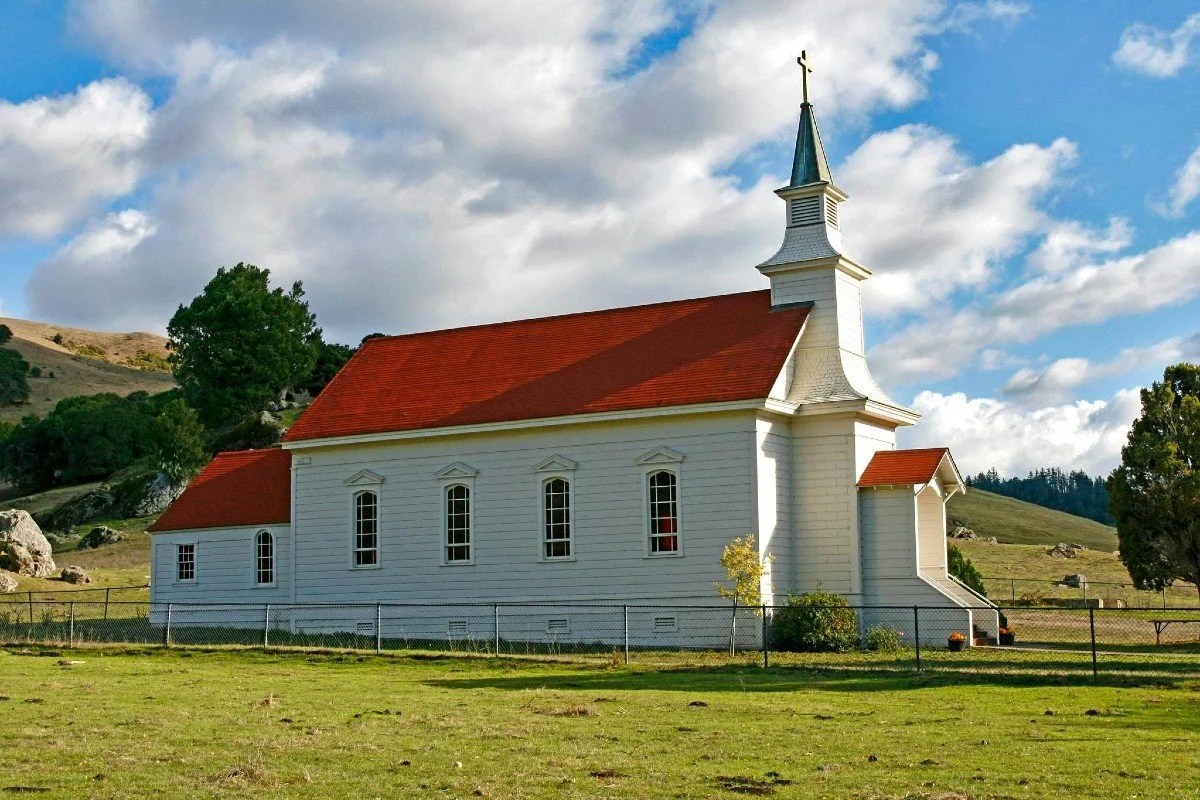
Photo by Pixabay (Pexels)
It was an acronym that skyrocketed into use in in the mid-to-late nineties, and it has stayed in high use ever since. I’m sure you have heard it used, but just in case, it’s “NIMBY.” It stands for “Not in My Back Yard.”
It refers to a person or group of people who object to the location of something they perceive to be unpleasant, detrimental or devaluing to the area where they live. What also marks a NIMBY (yes, it is most used a noun) is that they have no problem with said development happening somewhere else.
So, it isn’t “Not in Anyone’s Back Yard,” just not in mine.
Think affordable housing, an apartment complex, a correctional facility, a homeless shelter, a garbage dump, a wastewater treatment plant—things that are perceived to affect property value, safety or the environment. But it can also include such things as schools, universities and colleges, as well as something as simple as bike lanes. NIMBY is all about location, not merit. The effort is fine and good as long as it is built somewhere else. The phenomenon itself is called NIMBYism.
While it can sound understandable, it is often used as a term of derision toward those with selfish or short-sighted reasons for opposition to projects that bring benefit to the wider community. Or even accusations of racism, classism or unfounded fear.
Then there are the extreme NIMBYs, often described by the acronyms BANANA (“Build Absolutely Nothing Anywhere Near Anything”), or CAVE people (“Citizens Against Virtually Everything”). CAVE/BANANA people are often characterized as being opposed to change in any form, even if local residents are in favor of it. Usually, it derives from a foundational opposition to anything that would affect tax levies, sewer rates, public transportation routes, parking regulations and municipal mergers or annexations.
Which brings up “YIMBY.” This stands for “Yes in My Back Yard.” These folks are generally pro-housing, wanting increased development, higher density, and more relaxed zoning regulations in an attempt to solve housing affordability challenges. They also tend to be more open to walkable, transit-friendly communities.
The terms NIMBY and YIMBY have application far beyond community development. They could just as easily be applied to a church. Could there be a “not in my home church” mentality when it comes to things perceived as undesirable?
I recently spoke at a gathering of pastors in Guatemala. During an open Q&A session following a message on the importance of evangelism, a pastor shared how they had been successful in reaching into the population of prostitutes in their community. Yet when they started to attend the church, there was an outcry from the existing members over having such women in attendance.
“Not in my home church.”
I know of many other churches throughout the United States who have seen the demographics surrounding their church change over the last few decades but refuse to accept the new realities of their mission field. Rather than reach out to, say, an ethnicity different than their own, they would rather die a slow death.
“Not in my home church.”
These very same congregations would support reaching prostitutes, or seeing churches offer ESL programs, just not theirs.
I don’t have a lot of interest in weighing in on the various dynamics of community divides between NIMBYs and YIMBYs. I could see myself supporting one side or another, depending on the community scenario.
But I do have a lot of interest when NIMBYism invades the church and its mission. Because biblically, there is only one stance to take:
“Yes in my home church.”
James Emery White