
Parental Rights and Responsibilities
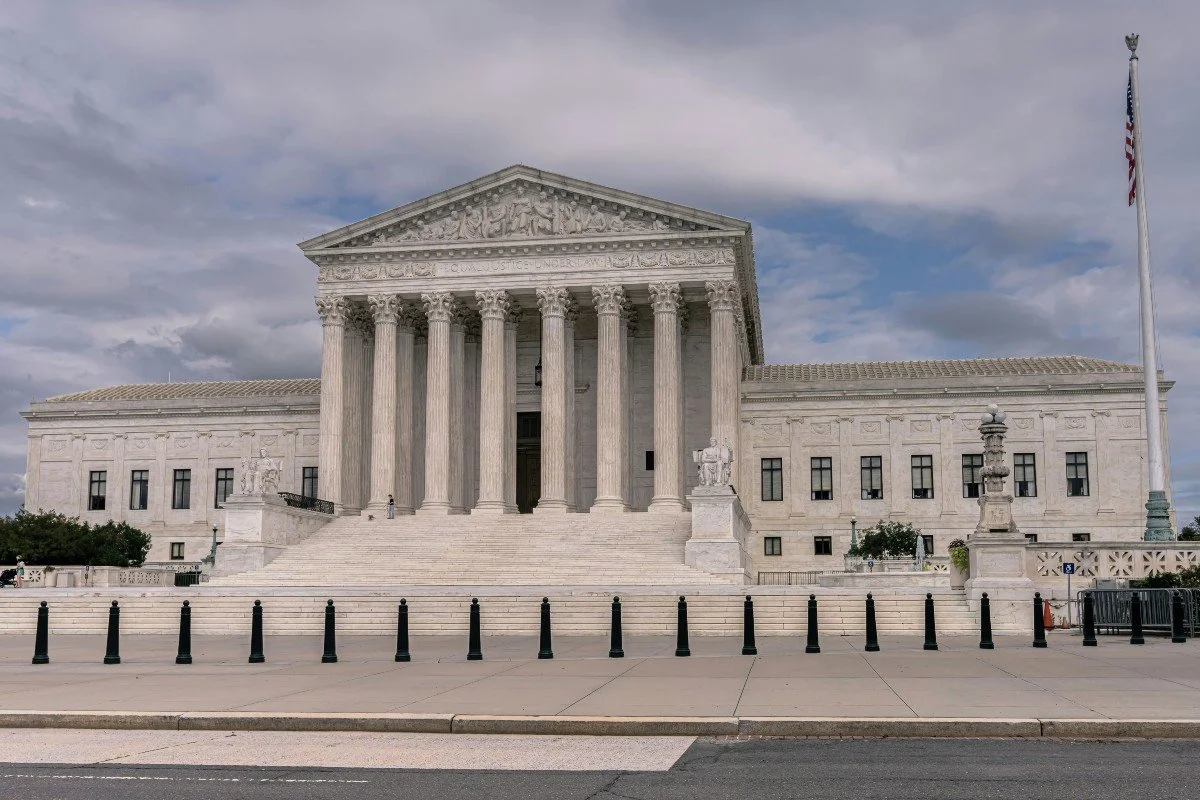
Photo by Adam Michael Szuscik (Unsplash)
The Supreme Court recently handed down an important decision regarding the rights of parents. The ruling blocked a California law that banned automatic parental notification rights if their child begins identifying as transgender at school (ex: if they change their pronouns or gender expressions).
The state of California argued that students have the right to privacy. The Christian parents argued that it caused schools to mislead them and secretly facilitate the child’s transition against the parents’ wishes.
“The parents who assert a free exercise claim have sincere religious beliefs about sex and gender, and they feel a religious obligation to raise their children in accordance with those beliefs. California’s policies violate those beliefs,” and burden the free exercise of religion, the majority wrote in an unsigned order. The Thomas More Society, which represented the parents, called it “the most significant parental rights ruling in a generation.”
This was followed by another judicial decision that also affected parents. A jury found that Colin Gray, the father of the suspect in the Apalachee High School shooting who killed two students and two teachers, bore criminal responsibility for the attack by failing to heed warnings related to his son’s struggles. The father was found guilty of murder and manslaughter.
The case follows a prosecutorial strategy that has gained favor in recent years; namely, holding parents accountable when their child is accused of a crime. Specifically, a mass shooting. The lead prosecutor in the Gray case said that the outcome not only secured a measure of justice for the victims but also sent a powerful message to other parents about the consequences of failing to act decisively if they see their child struggling.
I applaud both rulings for their shared moorings in parental rights. In the first case, issues related to such rights were on clear display. In the second, it was inherent; there were responsibilities because there were rights. In other words, with rights come responsibilities. If there were no responsibilities, it would be hard to make a case for rights.
It is critical that Christians continue to rally around the idea of “parental rights,” the umbrella term for ensuring that parents get to make decisions related to their child’s upbringing. Fortunately, as the New York Times has noted, the concerns are beginning to “cut through the liberal and conservative divide.”
They should.
Take issues related to public education. The argument in favor of schools intervening is the same rationale used for reporting physical abuse to authorities—the safety of the child. Only now, what is deemed “unsafe” or “abusive” goes beyond observed bruises to include anything a school deems harmful to that child, including the inability to change gender.
“My job, which is a public service, is to protect kids,” said a non-binary history teacher in California who has helped students socially transition at school without their parents’ knowledge. “Sometimes, they need protection from their own parents.”
Or consider the photo of a teacher’s flyer posted at school that was included in a lawsuit filed against a school district in Wisconsin: “If your parents aren’t accepting of your identity, I’m your mom now.”
Let’s pray that, collectively, we will continue to have the cultural sense to stand up and say,
“No, you are not.”
James Emery White
Sources
Lindsay Whitehurst, “Supreme Court Blocks Law Against Schools Outing Transgender Students to Their Parents in California,” Associated Press, March 2, 2026, read online.
Rick Rojas and Johnny Kauffman, “Father’s Murder Conviction in School Attack Puts New Onus on Parents,” The New York Times, March 3, 2026, read online.
Katie J.M. Baker, “When Students Change Gender Identity, and Parents Don’t Know,” The New York Times, January 26, 2024, read online.